

Private assets are investments that exist outside public markets and are not available to everyday investors. They include areas like private equity, real estate, infrastructure, and venture capital—all of which are of interest to Celestin Pepin. These assets are typically reserved for institutions or high-net-worth individuals due to their limited access and long-term nature.
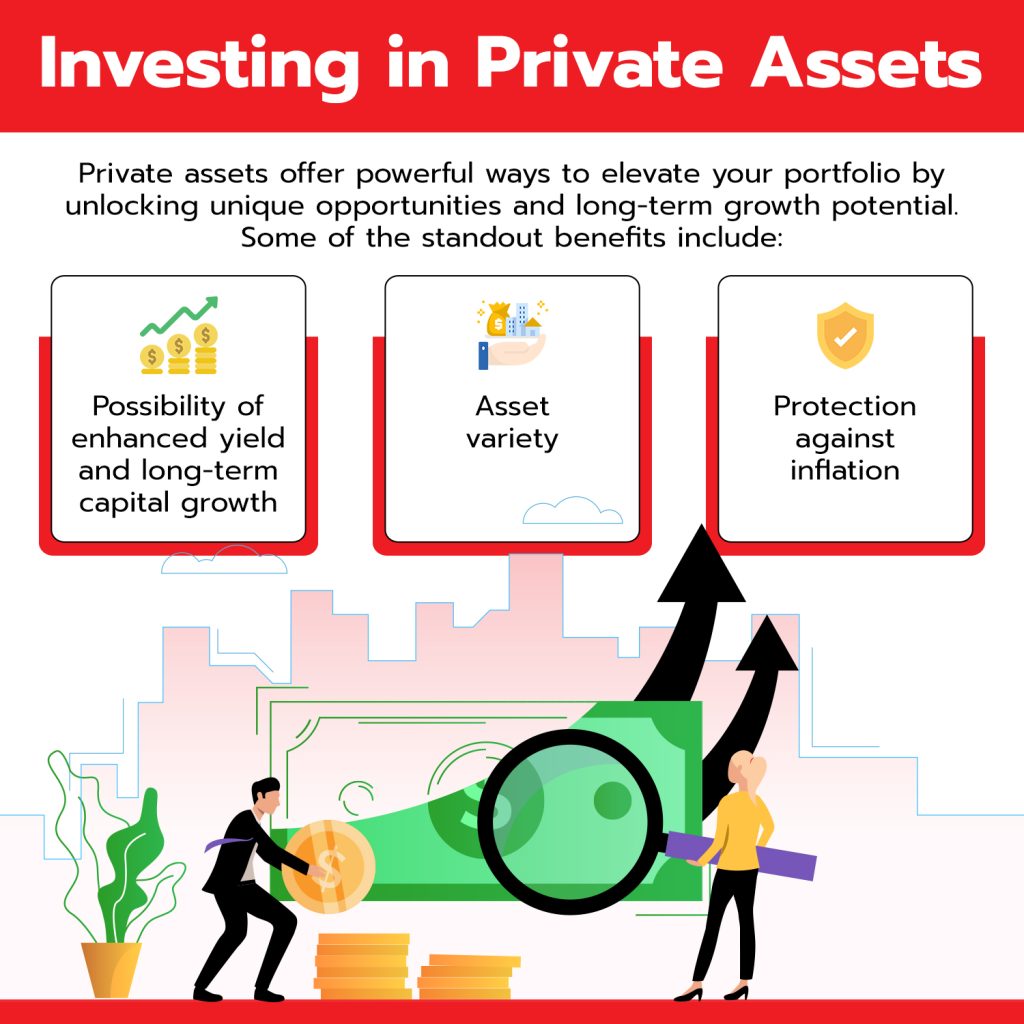
Unlike public securities, private assets often involve direct ownership or co-investment in tangible projects or businesses. Their unique structure allows for tailored strategies and potential benefits such as diversification, inflation protection, and higher returns—though they also come with greater complexity, illiquidity, and the need for specialized expertise.
Difference Between Private and Public Assets
Public assets are assets that can be bought and sold on exchanges. These include assets like EFTs, stocks, bonds, mutual funds, and futures, which are bought and sold on a daily basis, and their value changes based on daily market transactions.
In contrast, private assets are typically not publicly traded. They can come in different forms, such as company ownership, loans, or property. The value of private assets gets updated on a monthly basis, and not daily like public ones.
Investing in Private Vs. Public Assets
Private assets need a large investment and selling them is often not easy, which means that they can tie up the investor’s money for a long period of time. These types of investments work best for someone with a solid plan and a good understanding of the risks.
Understanding private assets is typically more complicated than understanding public ones. Expert knowledge is often needed to fully understand things like funding risks, managing cash flow, and legal rules. For this reason, investing in private assets can be more costly and require more research and planning.
When investing in private assets, money is put to work more slowly because the assets cannot be sold as easily. An investment plan should be built to generate its own cash flow. Over time, the profits and payouts from earlier investments can be used to fund new ones, keeping the overall balance steady without needing fresh money each time.
Private assets can be harder to invest in than public ones, but they can also offer special opportunities. For example, venture capital lets investors support fast-growing companies that aren’t available on the stock market.
