
Economics is the study of how individuals and businesses produce, distribute, and receive payment for goods and services. Many wrongly conflate it with finance, but the two are actually interrelated concepts that stem from the choices that societies make every day with regard to allocated resources. Economic decisions have ramifications for political systems, business models, and the law itself.
Those with a keen knowledge of economics—like Celestin Pepin, a chartered financial analyst and economics major—understand how fundamental it is to a working society. In a world of limited means, resources must be pooled, distributed, and consumed in the most equitable way, and such thinking drives many significant financial decisions.
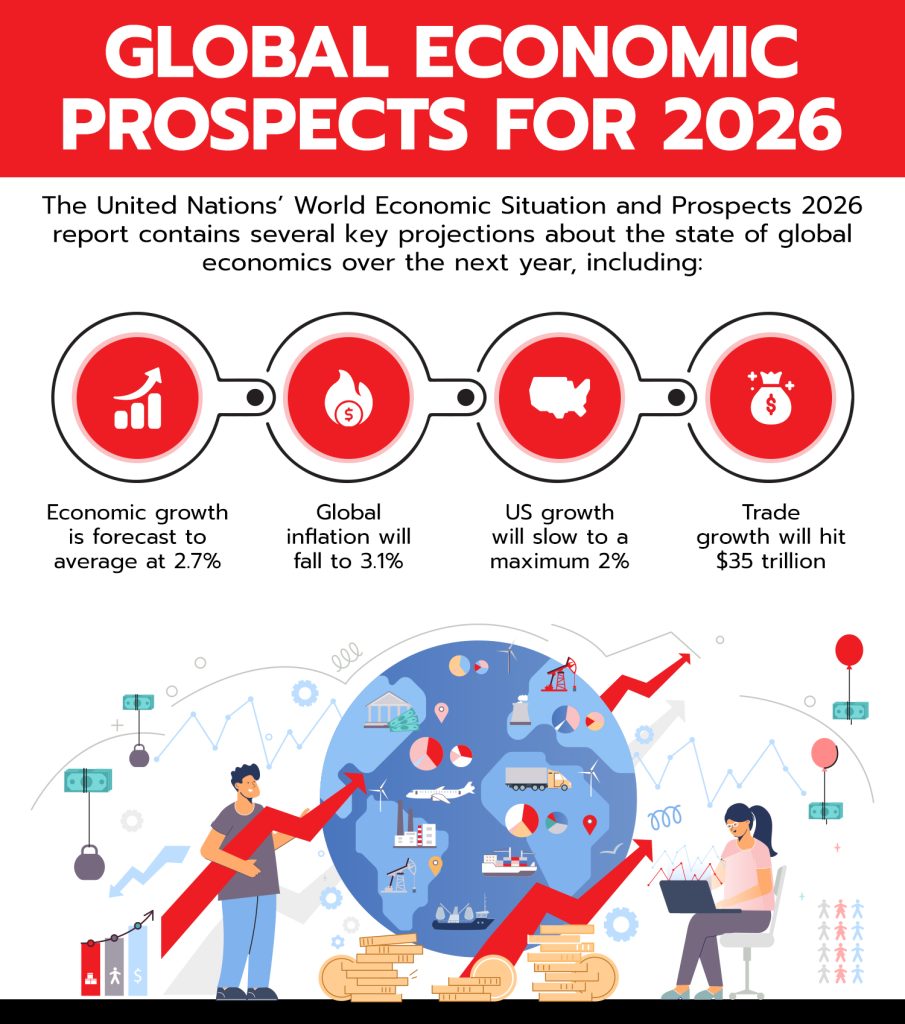
Everything related to economics, from personal finance and the local job market to global trade, requires growth. Labor and money are two of the biggest economic drivers that shape society, providing a means for individuals to obtain vital resources. However, economic growth is incredibly precarious because commodities fluctuate in price, markets may crash, and there is constant pressure to deliver bigger and better financial incentives as a result.
Microeconomics, such as how consumers make decisions about resources, dictates how people interact with the economy. Their financial decisions are shaped by existing prices, potential fluctuations, and their personal situations. Macroeconomics, which refers to the economy as a whole, is responsible for these minor economic ripples due to factors such as inflation, interest rates, and recessions.
Human behavior is subtly shaped by the resources that are available and their economic conditions. For example, people may choose to shop at a grocery store then cook at home because it makes more financial sense than regularly dining out. Personal resources can be scarce, so individuals are wired to protect them. For more information about how economics guide financial thinking, please see the embedded PDF.
Economic literacy is core knowledge that many people neglect to properly learn. Some claim it’s too difficult, whereas others may believe it isn’t applicable to them. The truth is that every person has the capacity to understand the basics of economics and should be aware of how the economic world directly influences their lives.
Unfortunately, lots of people only learn what economics truly encompasses when they’re already adults. They’re unaware that common things, such as owning a house or car, or simply going into a store, are economic choices. Making the wrong choice is either a minor inconvenience or a large-scale financial disaster with the potential to destroy lives.
