
Modern financial markets are tricky to navigate without a very specific skillset, and most investors don’t have specialized experience in investment management. A chartered financial analyst (CFA), on the other hand, does, thanks to years of rigorous training and extensive experience working investment markets.
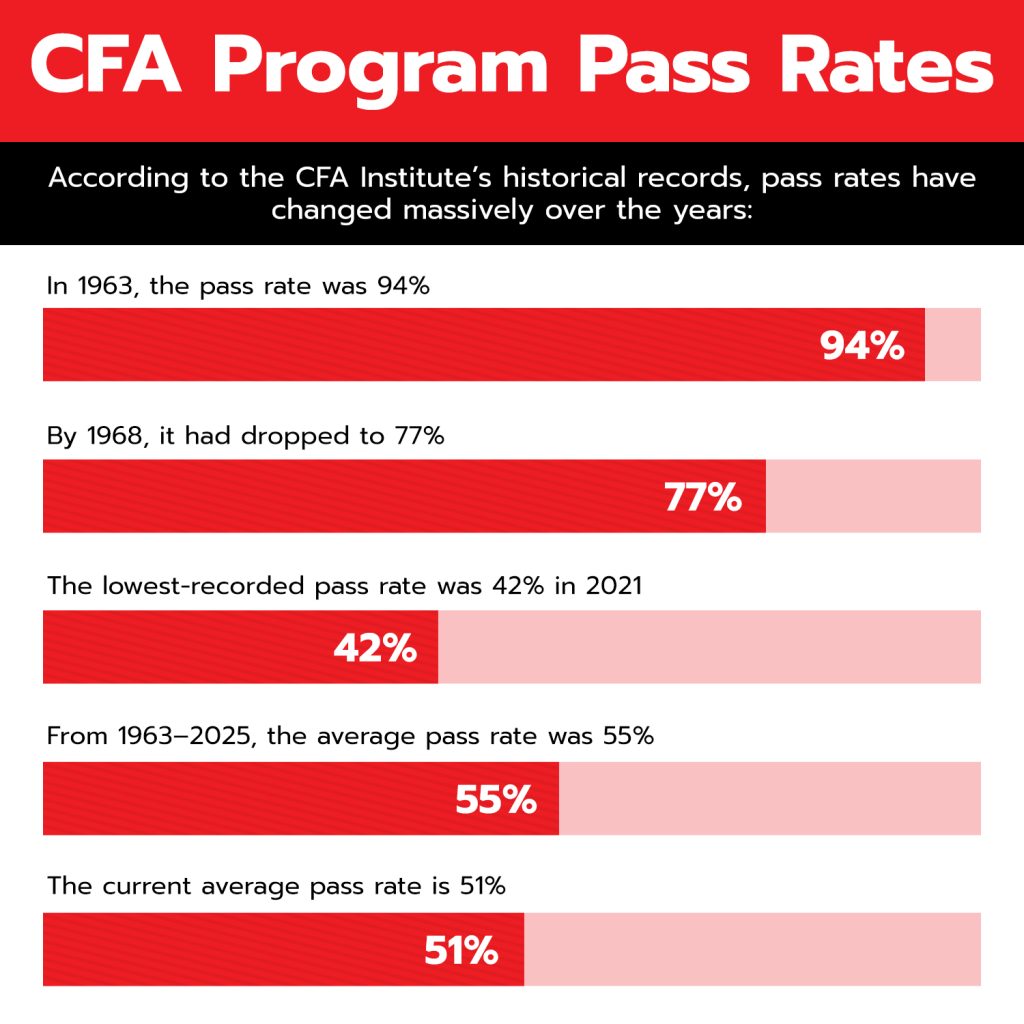
Since 1936, over 3.9 million people have taken the CFA exam to become professional analysts, with a pass rate of 43% for the past 10 years. CFA charterholders—like Celestin Pepin, who has completed all three exams—work for years to achieve the title, then work to strict standards to maintain the CFA code of ethics and provide high-quality services. For more information about the CFA Program, please see the embedded PDF.
The CFA qualification is designed to be the culmination of extensive hard work and studying. Most chartered analysts have at least a bachelor’s degree, typically in finance, and a license to sell financial products in the US. Passing the CFA program isn’t essential to work in the industry, but it provides greater credibility and marketability.
A prestigious qualification also helps to unlock new and exciting opportunities. Chartered financial analysts can work for organizations or individuals, developing investment strategies, managing portfolios, assessing risks, and predicting future financial trends. Both hard and soft skills are crucial to the role, allowing analysts to perform technical tasks and navigate interpersonal interactions with ease.
The current financial landscape is so broad that chartered financial analysts can take advantage of different roles to build their resumes, then pursue senior positions like portfolio manager, investment strategist, or private wealth manager. Charterholders are the most well-rounded, widely-knowledgeable investment experts working because their training is so exhaustive, allowing them to tackle anything from real estate to equities.
However, success in the industry doesn’t come overnight. Of the millions who have taken the three CFA exams, only 200,000 or so hold the title worldwide. Many work for banks, investment firms, educational institutions, and insurance companies, while some choose to operate privately. There are plenty of opportunities for career progression and networking, but it requires consistent effort and professional advancement.
It’s not an easy profession, nor a shortcut to instant wealth, but it’s one of the best positions to be in for a person working in the investment industry. Earning the charter opens doors and offers an intensive but rewarding insight into how modern financial markets work. Charterholders can strategically design their own careers, as long as they remain committed to learning and improving long after passing their exams.