

Alternative assets are investments that fall outside of conventional categories, providing unique opportunities for portfolio diversification that aren’t always possible with traditional stocks and bonds. They may include real estate, hedge funds, commodities, collectibles, and private equity. While alternative assets may involve greater complexity and higher entry thresholds, they can offer access to diversified return potential and distinct market segments.
Those who understand the industry – like CFA charterholder Celestin Pepin, who focuses on alternative assets – know the value of a strong strategy for these investments. Anything from real estate and farmland to gold coins and collectible art can fetch a high price, as long as they’re carefully selected for a portfolio.
It’s crucial to gauge the relationship between an alternative investment strategy and its primary fund structure. For instance, alternative assets are often more illiquid, so fund structures tend to be closed-ended. This offers greater capital protection and promotes growth once distributions begin.
Overall Performance Metrics
The strategy that a specific type of fund uses also affects its overall performance metrics. Closed-ended funds report asset performance through an internal rate of return, which relies heavily on cash flow, whereas open-ended funds, which are less common, invest more money upfront, producing a time-weighted return that measures compound growth.
Other factors, including investor expertise, portfolio scale, and asset flexibility, also influence how well alternative investments perform. A seamless relationship between investment strategy and fund structure should be built on a strong, future-proofed foundation.
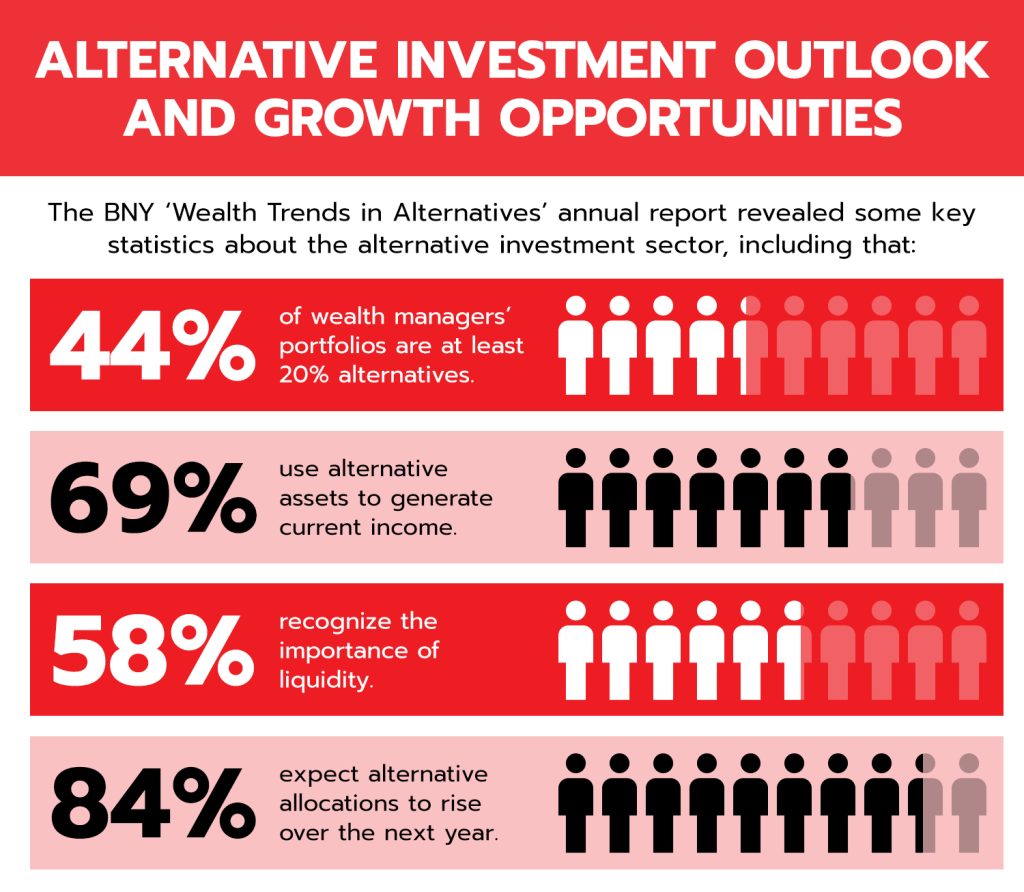
There are several great opportunities in alternative asset investment. Significant growth in busy sectors – such as technology, private infrastructure and artificial intelligence – is creating new demand and providing stable cash flow into existing fund structures. For more information about the benefits of alternative asset investment, see the embedded PDF.
Stability An Important Factor to Consider
Ultimately, stability is one of the most important factors to consider when selecting an investment strategy and fund structure. More varied alternative assets, such as intellectual property and real estate, tend to offer greater security and diversification, both of which reduce portfolio risk. Any asset with increased liquidity will also improve performance.
Alternative investors enjoy greater flexibility for these reasons. Whether they favor traditional fund structures or options like trusts and limited liability companies, their investment strategies have a wealth of markets to fall back on. The incentives are also designed to fit long-term investment needs, with distinct structures that support less conventional portfolios.
